Building safer schools, places of worship, and community spaces


We build life-saving evacuation technology for schools, places of worship, and community spaces — and support families impacted by gun violence.

TechnologyReal-time evacuation guidance
CommunitySchools, places of worship & gathering places
FamiliesLong-term support after tragedy
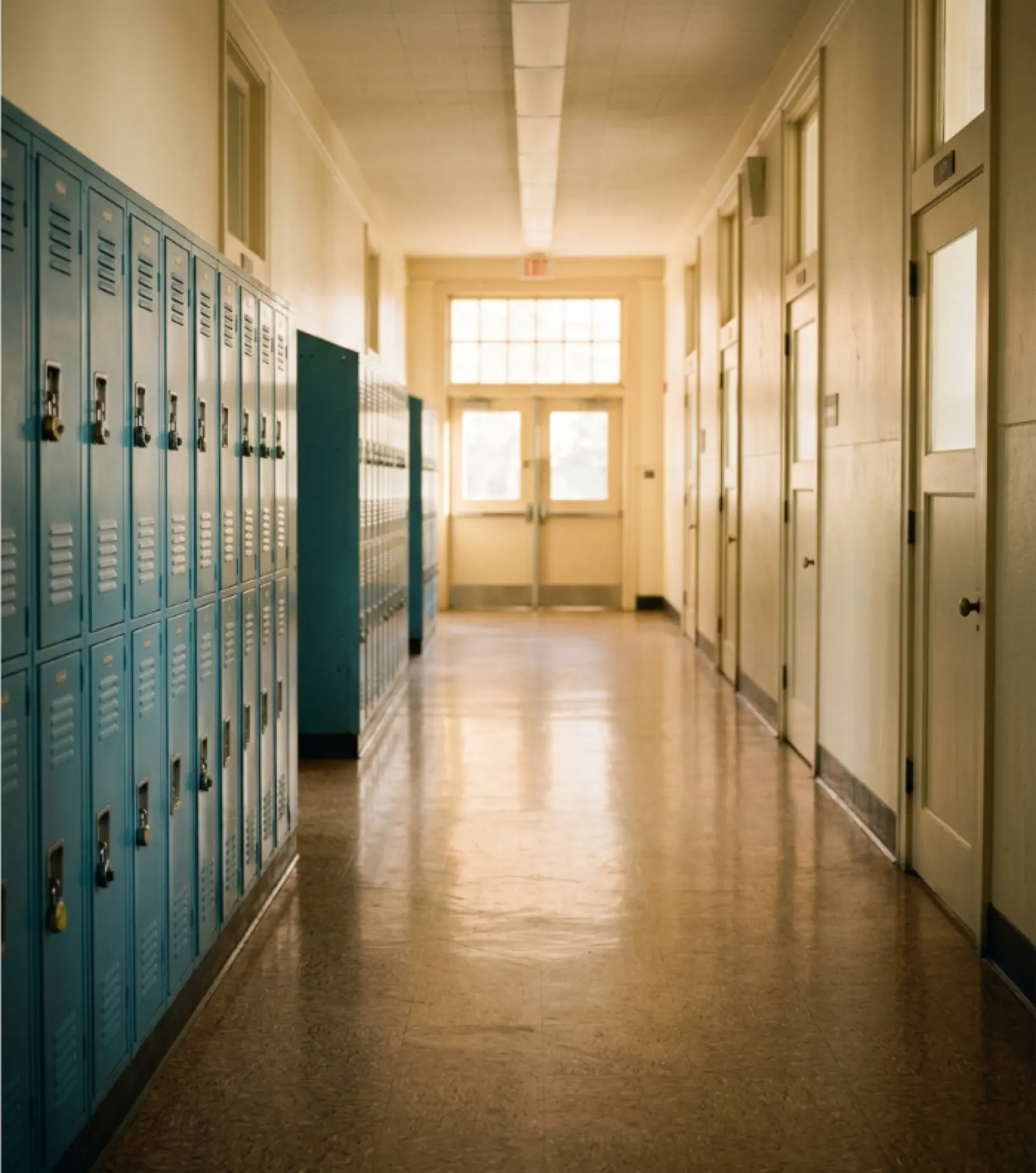
Empty school hallway in soft morning light
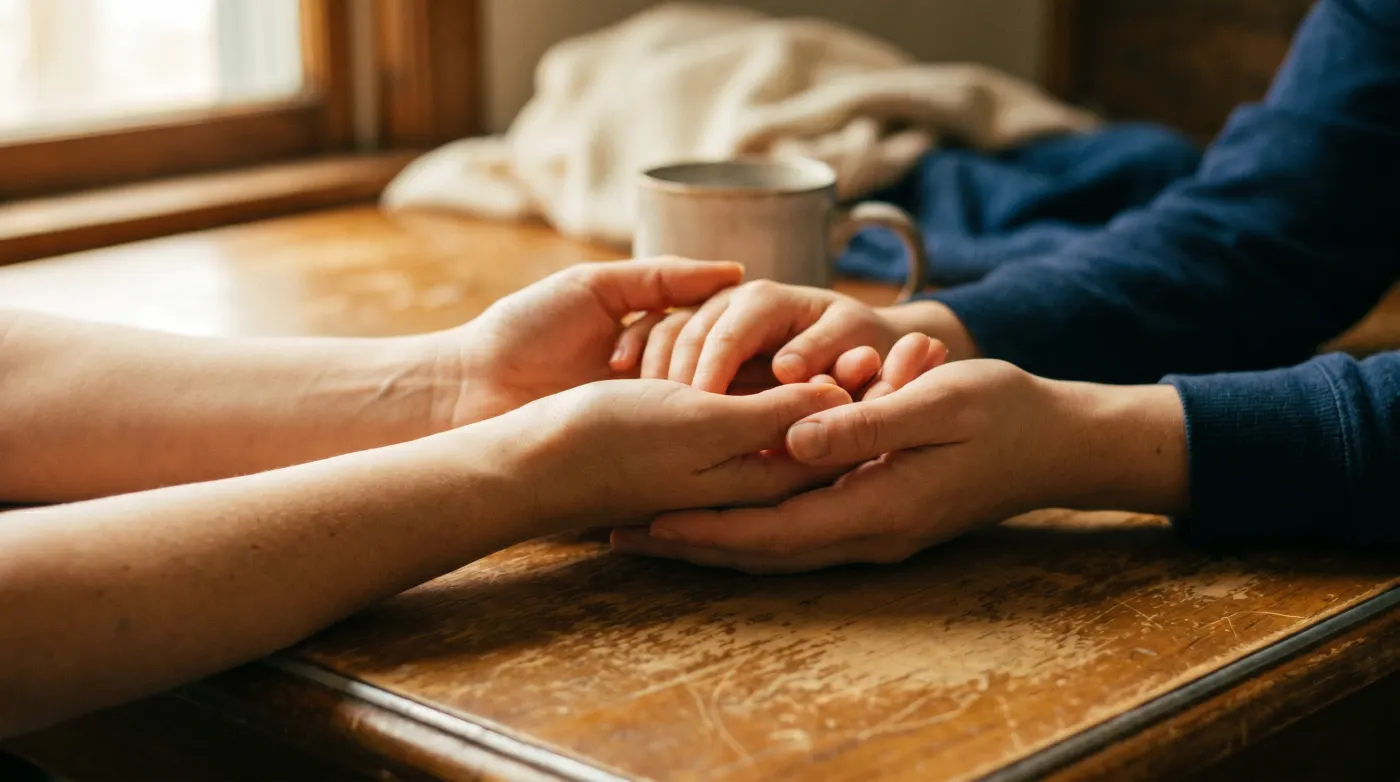
Two adults gently cradling a child's hands across a worn wooden table in warm window light
Built with first responders.Designed alongside teachers, faith leaders, school safety officers, and families who have lived through the worst day of their lives.
The Problem

Most communities have a plan on paper. Few have one for the next ninety seconds.

In an emergency, the difference between safety and tragedy is measured in seconds — not minutes. Most people don’t know where to go, which exit is safest, or who to listen to.

Schools and houses of worship were not designed for what they now have to prepare for. Families left behind carry the cost long after the news cycle moves on.

01

Seconds, not minutes.

Emergency outcomes in public spaces are often decided in the first ninety seconds — before professional responders can arrive on scene.

02

Plans on paper, not in practice.

Many schools and houses of worship have written emergency policies but have never rehearsed an evacuation for anything other than fire.

03

Community spaces, left out.

Most U.S. houses of worship, community centers, and gathering places lack the dedicated emergency guidance systems available to larger institutions.

04

Families, after the headlines.

Survivors and family members carry the long-term costs of public tragedy — and the support available to them often ends when the news cycle does.

We will publish sourced figures from independent research and government data here as our research partnerships come online.

A Pattern, Not Isolated Events

We have been here before. Again. And again. And again.

These are not freak occurrences. They are a recurring pattern at the places communities trust to be safe — schools, places of worship, and the gathering spaces of public life. Every Second Count exists because we refuse to keep treating each one as a surprise.

0
Mass shootings in the U.S. in 2024
Source: Gun Violence Archive
0
Shootings on K-12 school property in the U.S. in 2024
Source: K-12 School Shooting Database
0+
U.S. children and teens shot and killed each year (2020–2024 average)
Source: Everytown for Gun Safety
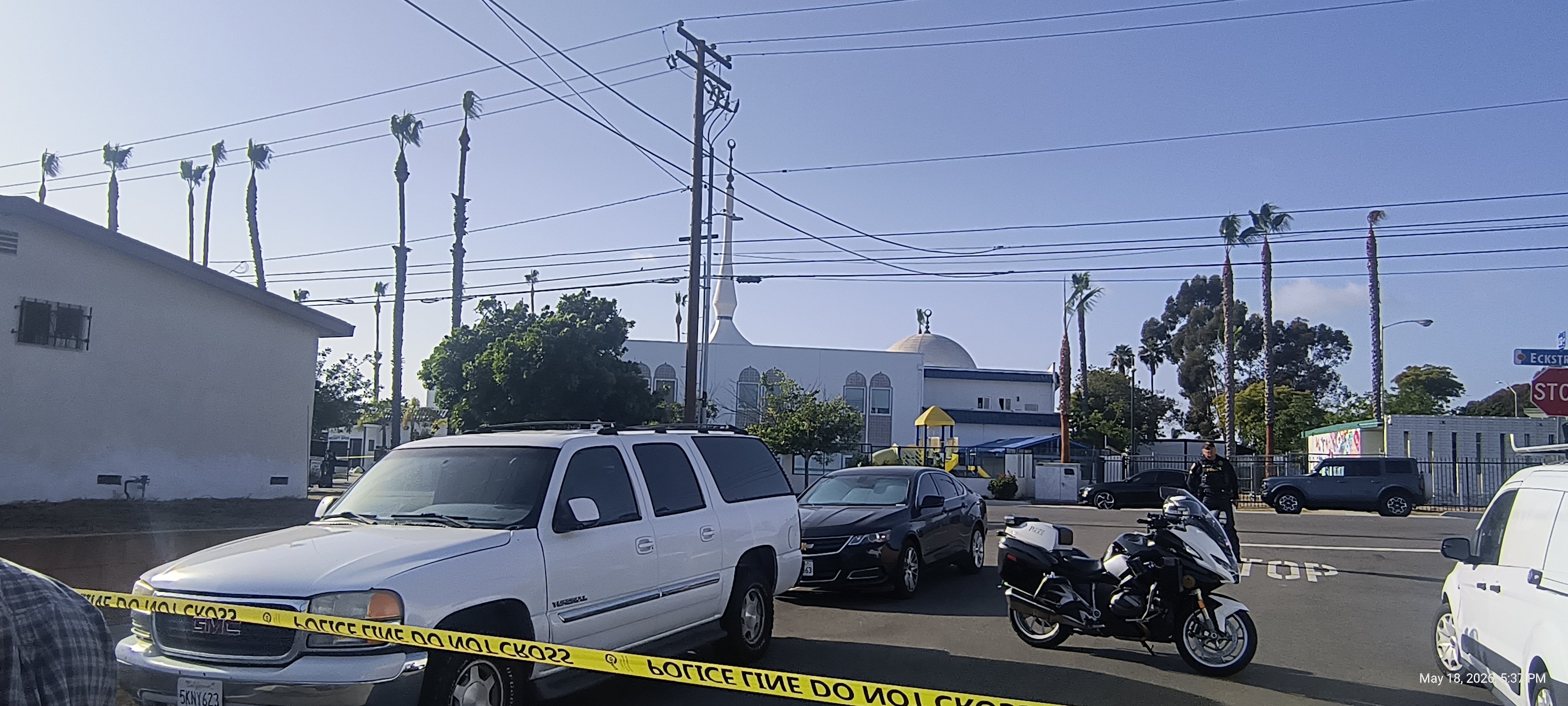
Islamic Center of San Diego
Islamic Center of San DiegoMay 18, 2026
01
LocationSan Diego, California
TypePlace of Worship
Lives lost3

Two teenage gunmen — radicalized online by Islamophobic content — opened fire outside the largest mosque in San Diego, killing a security guard and two long-time staff members before fleeing and dying by suicide nearby. Authorities are investigating it as a hate crime.

What this tells us

Mosques face a growing threat from online-radicalized attackers. Perimeter awareness and rehearsed response now matter as much as locked doors.
SourceWikipedia
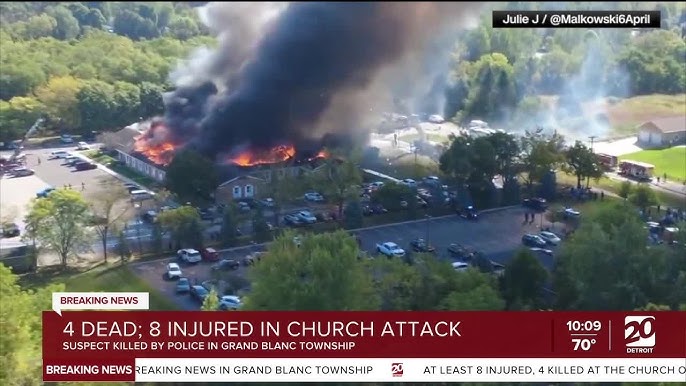
Grand Blanc Township LDS chapel after the September 2025 attack
Grand Blanc Township LDS ChapelSeptember 28, 2025
02
LocationGrand Blanc Township, Michigan
TypePlace of Worship
Lives lost4
Wounded8

A gunman rammed his truck into the front wall of a Latter-day Saints chapel during Sunday service, opened fire on the congregation with a rifle, and set the building ablaze. The FBI later confirmed the attack was motivated by hatred of the Mormon faith.

What this tells us

Worship spaces face an evolving threat — vehicular ramming combined with firearms and fire. Preparedness now means more than one drill.

SourceWikipedia
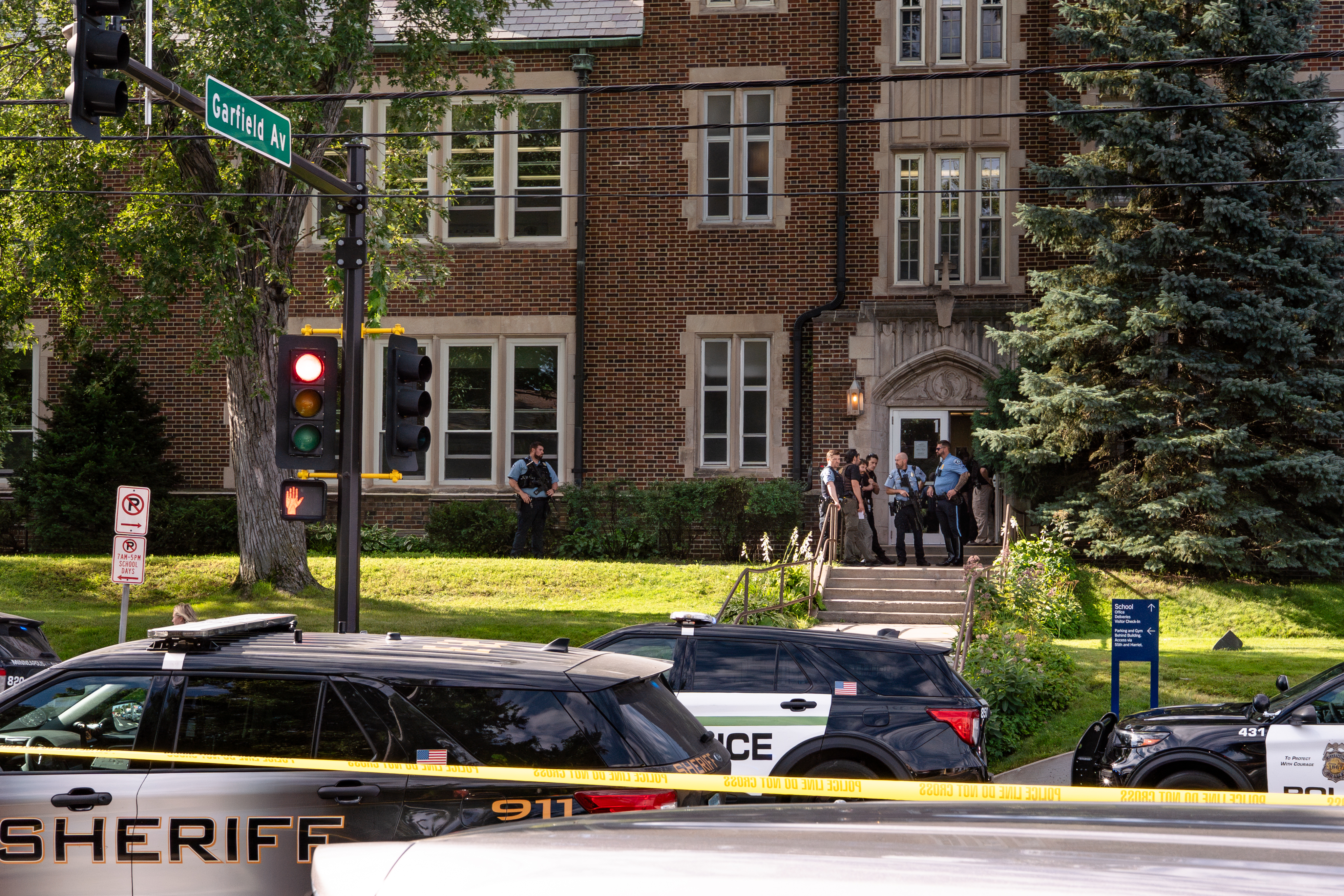
Annunciation Catholic Church in Minneapolis
Annunciation Catholic Church & SchoolAugust 27, 2025
03
LocationMinneapolis, Minnesota
TypeSchool + Place of Worship
Lives lost2
Wounded17

A gunman opened fire through the stained-glass windows of Annunciation Catholic Church during a school-wide Mass, killing two children — eight-year-old Fletcher Merkel and ten-year-old Harper Moyski — and injuring seventeen others. Federal authorities investigated the attack as anti-Catholic domestic terrorism.

What this tells us

Schools and houses of worship are not separate problems. The buildings that hold both — and the people who fill them — need preparedness for both.

SourceWikipedia
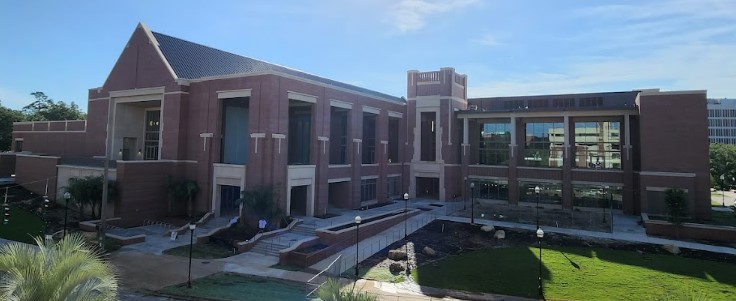
Florida State University Student Union building in Tallahassee
Florida State UniversityApril 17, 2025
04
LocationTallahassee, Florida
TypeUniversity
Lives lost2
Wounded6

A 20-year-old FSU student opened fire near and inside the Student Union just before noon, killing two university employees — campus dining director Robert Morales and Aramark vice president Tiru Chabba — and wounding six others. The attack lasted about three minutes.

What this tells us

Universities are open campuses with thousands of students, staff, and visitors. Preparedness has to scale to that openness, not pretend it away.

SourceWikipedia
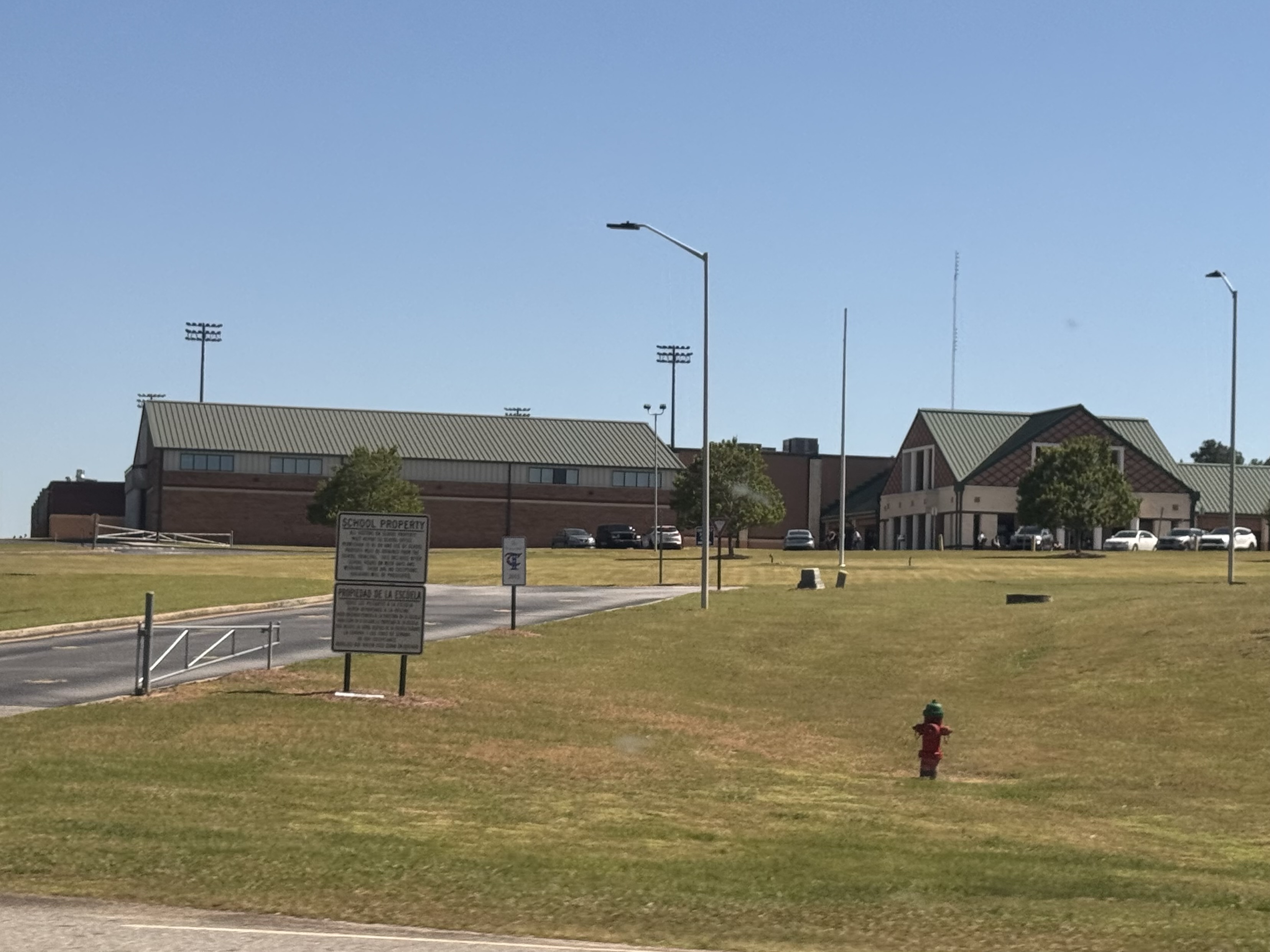
Apalachee High School in Winder, Georgia
Apalachee High SchoolSeptember 4, 2024
05
LocationWinder, Georgia
TypeHigh School
Lives lost4
Wounded9

A 14-year-old student opened fire in a classroom on the second day of the school year. Two students and two teachers were killed. FBI agents had visited the suspect's home over school-shooting threats more than a year earlier.

What this tells us

The pattern continues. Every year that passes without a national preparedness floor is a year more communities join this list.

SourceWikipedia
Showing 5 most recent of 14
National statistics sourced from the Gun Violence Archive, the K-12 School Shooting Database, and Everytown for Gun Safety. Each incident below is verified against Wikipedia, CNN, and contemporaneous news reporting. This timeline is a partial record — not a complete one. The full list is longer. That is the point.
Our Mission

A serious response to a problem we refuse to accept as normal.

Every Second Count exists to put life-saving tools and human support where they are needed most — in the everyday places where Americans live, learn, and worship.

i.

Build technology that gets people out safely.

Open, accessible, audited tools that deliver real-time evacuation guidance to anyone inside a building during an emergency.

ii.

Stand with families for the long term.

Direct relief, counseling support, and community programs for the people whose lives are reshaped by gun violence.

iii.

Strengthen the spaces that hold communities together.

Practical preparedness for schools, places of worship, and gathering places — at no cost to the communities that need it most.

What We Build

Quiet, dependable tools designed for the moments that matter most.

Our work focuses on three categories of life-saving technology — each developed with input from the communities that will use them, and reviewed by independent safety experts.

01

Real-time safety guidance

Tools that turn the spaces people are already in — phones, posted screens, classroom devices — into clear, calm instructions when seconds matter.

Works on existing devicesTrained on building layoutsOperates without internet
02

Safe evacuation pathways

Pre-mapped routes and exit guidance reviewed by school safety officers, first responders, and the people who know each building best.

Co-designed with staffDrilled and rehearsedUpdated with the building
03

Community safety technology

Practical, low-cost preparedness systems for houses of worship and community gathering spaces that have historically been left out.

Free to participating spacesOpen and audit-readyNo personal data collected
Who We Help

The places that hold us together.

We prioritize the communities most often overlooked by commercial safety products — and we never charge them for the work we do.

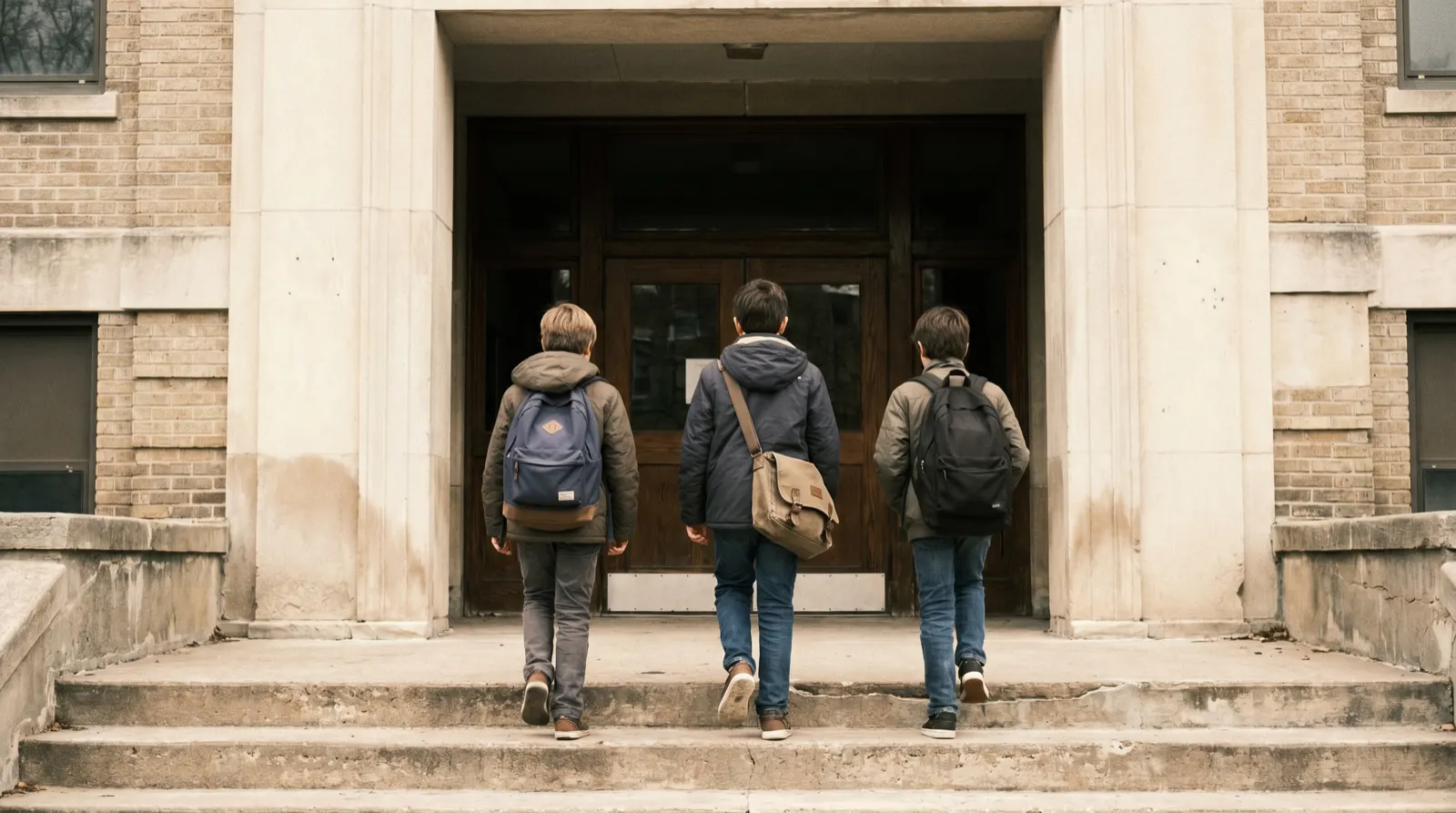
Three students with backpacks walking up the steps of a school entrance
K–12 & Higher Ed

Schools

Public, private, and after-school programs serving children and educators — especially under-resourced districts.

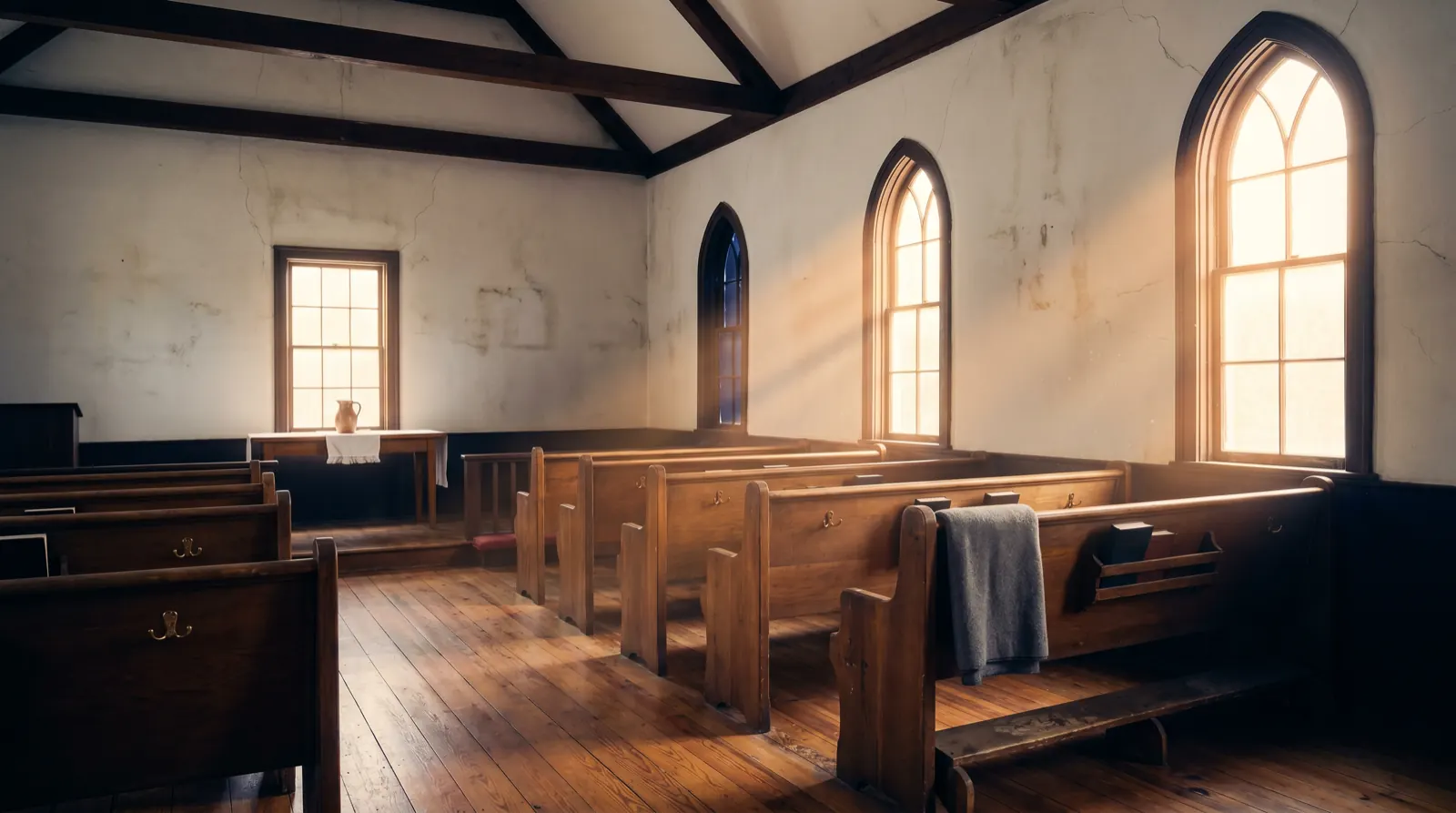
Sunlit sanctuary with wooden pews and tall arched windows
Faith Communities

Places of Worship

Congregations of every tradition — churches, synagogues, mosques, temples, and gurdwaras — spaces that deserve to remain safe places of refuge.

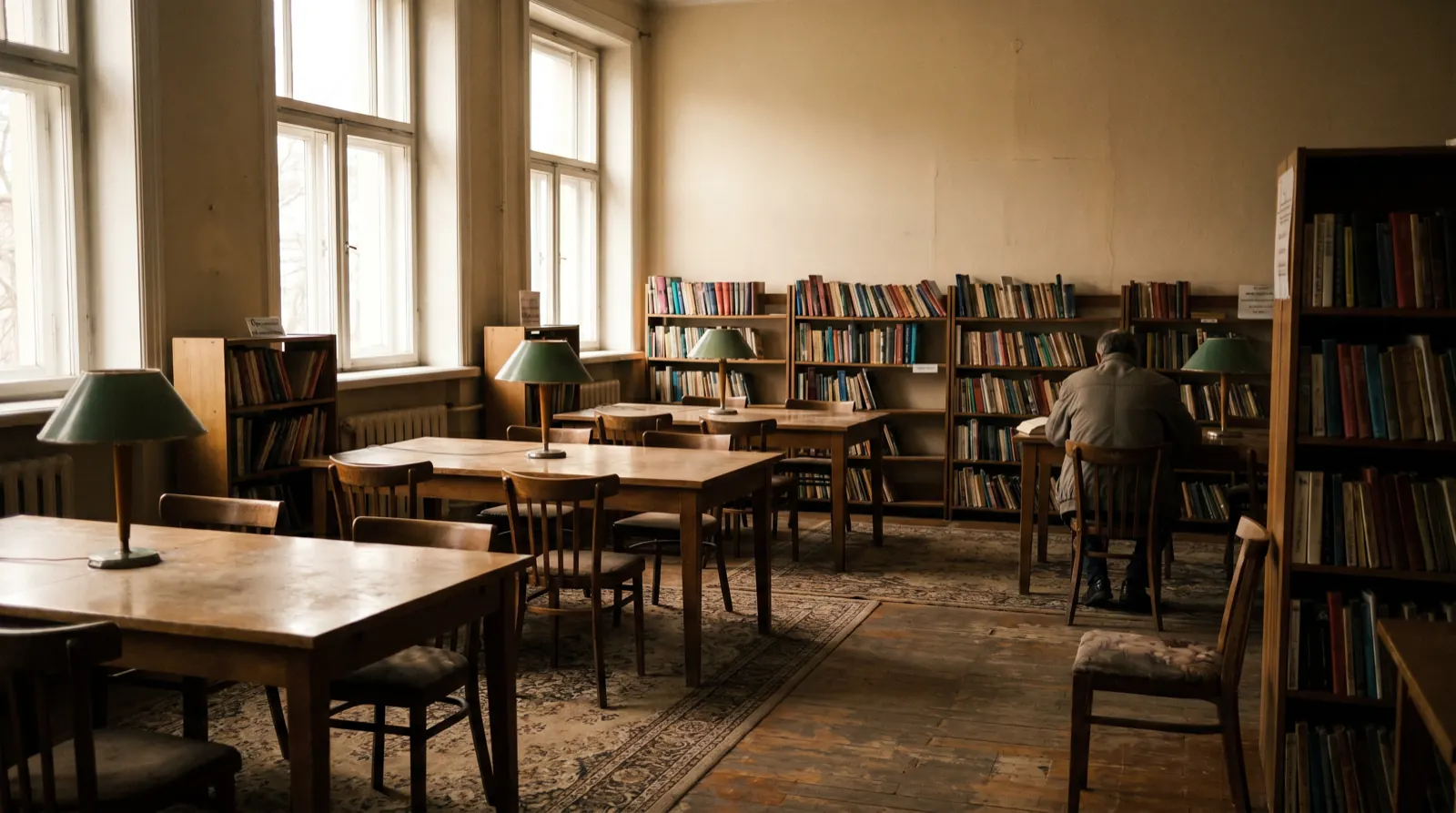
Quiet public library reading room with wooden tables and a lone reader
Community Spaces

Libraries, Centers & Gathering Places

Libraries, community centers, food pantries, and small venues — the everyday infrastructure of public life.

Family Support

The work doesn’t end when the headlines do. It begins there.

— A founding board member, Every Second Count

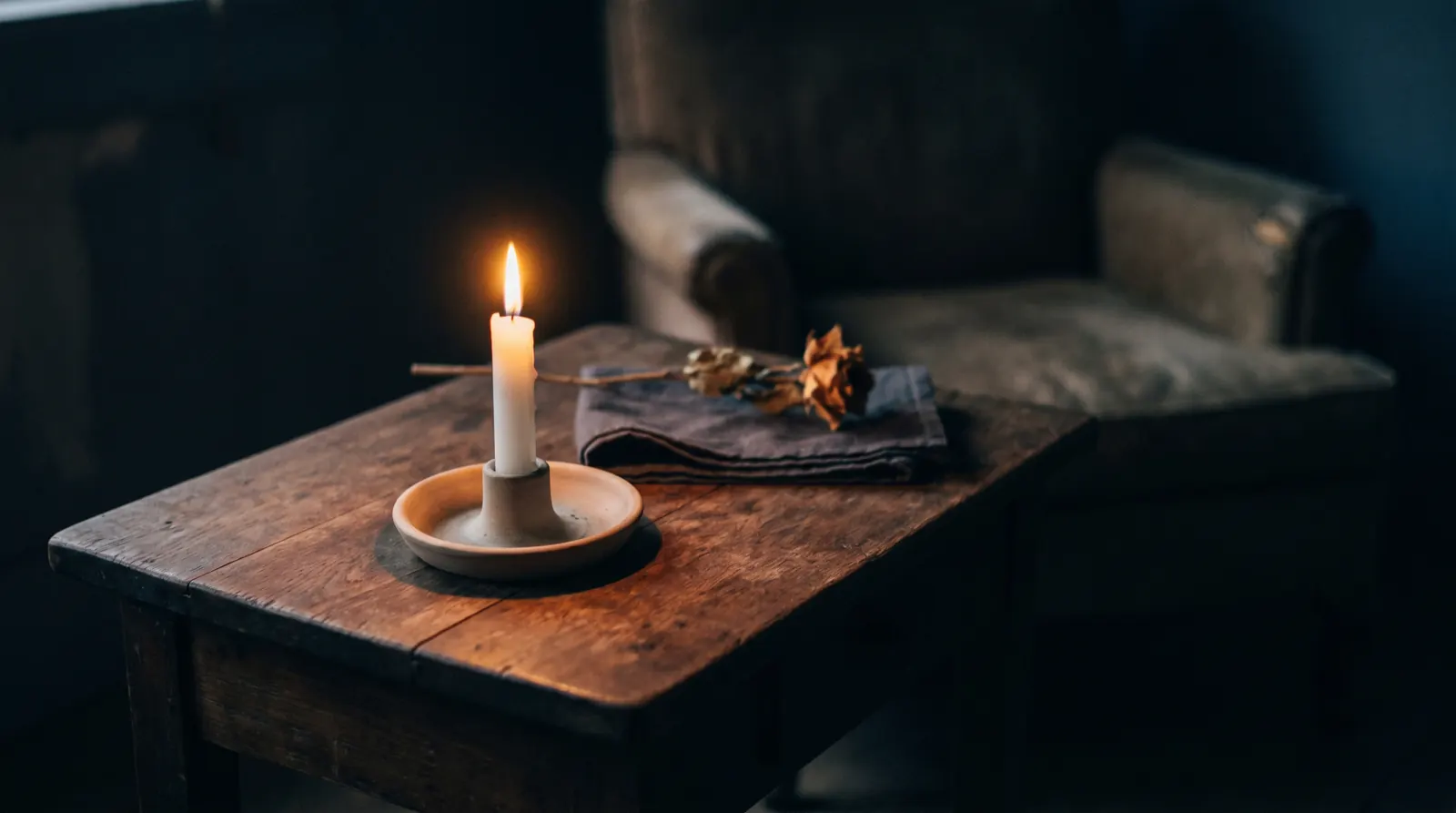
A single lit candle on a wooden table beside a folded cloth and a dried rose

For the families who carry this with them every day.

Technology can only do so much. The families we work with have told us what they need most — and we built our family support programs around their answers.

+

Direct family relief

Emergency funds for families in the immediate aftermath — without paperwork, without proving worthiness.

+

Counseling referrals

Connections to trauma-informed counselors and community mental-health partners, with long-term follow-up.

+

Survivor community

Spaces for families to be in conversation with one another — on their own terms, at their own pace.

+

Anniversary care

Long-term outreach in the months and years after, when the rest of the world has moved on.

Transparency

Our commitments to you.

We hold ourselves to the standards we’d want any nonprofit holding our money to follow — and we publish them here so you can hold us to them.

Accountability commitments

Reviewed annually
01

Programs first.

We hold ourselves to a 90%+ programs-to-overhead ratio. Operations and fundraising stay lean.

02

Independent audit.

Our financials are reviewed annually by an independent third-party auditor and published in full.

03

Public 990 & annual report.

We publish our Form 990 filings and a plain-language annual report so anyone can review where the dollars go.

04

No surprise disclosures.

You shouldn't have to ask. We proactively publish program outcomes, deployment locations, and what we learned.

Form 990Audited financialsAnnual report
Request disclosures
i.

Open by default.

We publish what we build, how we test it, and who reviewed it. Our partner spaces always see our work first.

ii.

No data we don’t need.

We don’t collect personal information about the people our technology helps. Privacy is a safety feature.

iii.

Community-governed.

Our board includes educators, faith leaders, public-safety experts, and a survivor advisory council.

iv.

Tell us when we're wrong.

We invite partners and the public to challenge our work in the open, through a public feedback channel.